Grounding sheets, also known as earthing sheets, have sparked a growing interest in the wellness community for their alleged health benefits. These sheets are designed to connect individuals to the earth's natural electric charge, with proponents claiming that sleeping on them can lead to a myriad of health improvements.
The concept is based on the practice of grounding or earthing, which involves direct contact with the earth's surface electrons. This can be achieved by walking barefoot outside or by sitting, working, or sleeping indoors connected to conductive systems that transfer the earth's electrons into the body.
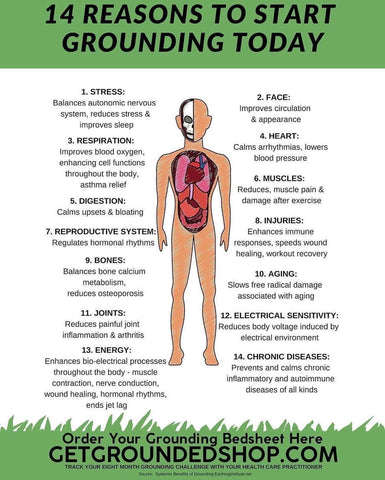
The list of purported benefits is extensive, ranging from improved sleep and reduced stress to decreased inflammation and enhanced recovery from physical exertion. Advocates for grounding sheets suggest that the practice can neutralize free radicals, leading to a reduction in chronic pain and an overall sense of well-being.
However, despite the enthusiastic endorsements from various health circles, grounding sheets have not escaped controversy. Skepticism arises from the scientific community regarding the validity of these claims, with critics pointing to a lack of robust, empirical evidence and the potential for a placebo effect.
Why Grounding Sheets Are a Polarizing Topic
This skepticism is not unfounded. The intersection of health, science, and consumer products often attracts both genuine innovation and questionable pseudoscience. The debate over grounding sheets is a prime example of this dynamic, where personal testimonials and anecdotal evidence clash with the demand for scientifically validated research.
As a result, grounding sheets have become a polarizing topic. Some individuals swear by their effectiveness, while others dismiss them as modern-day snake oil. In this article, we will delve into the facts, myths, and science behind grounding sheets to uncover the truth about their benefits. Whether you are a staunch supporter or a hardened skeptic, join us as we navigate this complex wellness trend.
Grounding Sheets: Facts and Science
Grounding sheets, a cornerstone of the earthing movement, are beddings infused with conductive materials, such as silver or carbon threads. These materials are designed to create a connection between the user and the earth, simulating the electrical conductivity one would experience when walking barefoot on the ground. By connecting the sheets to an earthing rod or a grounded wall outlet, individuals can purportedly tap into the earth's natural energy field during sleep.
The science behind grounding, or earthing, is rooted in the understanding that the earth maintains a negative electrical potential on its surface. When a person comes into direct contact with the ground, the body aligns with this electric potential. Proponents argue that this connection allows for the transfer of negatively charged electrons from the earth into the body, where they can neutralize positively charged free radicals believed to be harmful to health.
How Grounding Theory Works
Furthermore, the grounding theory suggests that this influx of electrons can help stabilize the body's innate electrical rhythms and reduce oxidative stress, thereby promoting benefits such as improved sleep, reduced inflammation, and decreased stress levels.
While the concept is compelling, it is important to note that scientific research on grounding is still in its infancy. A limited number of studies are available, and those that do exist have shown mixed results. Some have reported positive outcomes, while others call for more rigorous investigations to validate these findings.
To better understand the potential mechanisms at play, the table below contrasts the theoretical benefits of grounding with the current scientific evidence available:
| Theoretical Benefit | Scientific Evidence |
|---|---|
| Reduction in inflammation | Some studies suggest a decrease in inflammation markers |
| Improved sleep quality | Mixed results, with some reporting better sleep and others noting no significant change |
| Decreased stress levels | Subjective reports of reduced stress, but lacking large-scale, controlled studies |
| Neutralization of free radicals | Limited evidence; more research needed to confirm this effect |
It is crucial for consumers to approach grounding sheets with a discerning eye. While the concept is grounded in a plausible scientific hypothesis, the evidence supporting its efficacy is not yet conclusive. As with any emerging health trend, it is advisable to weigh personal experiences against the breadth and depth of scientific research.

Grounding Sheets Benefits
The allure of grounding sheets is largely based on a host of claimed benefits that have captured the attention of health enthusiasts worldwide. These benefits are said to stem from the practice of grounding, which is believed to promote a range of physiological changes in the body.
Among the most frequently touted advantages are improved sleep quality, reduction of chronic pain, decreased stress and anxiety levels, enhanced circulation, accelerated recovery from intense physical activity, and an overall increase in energy and vitality.
What Research Says About Earthing Sheet Benefits
Supporters of grounding sheets often cite studies that have reported positive outcomes. For instance, research published in the Journal of Inflammation Research indicated that grounding may reduce blood viscosity, a significant factor in cardiovascular disease. Additionally, a study in the Journal of Alternative and Complementary Medicine found that grounding could improve sleep and reduce pain and stress.
However, it is important to note that many of these studies have small sample sizes and some lack rigorous methodology, which can affect the reliability of their conclusions. Despite the need for more comprehensive research, the anecdotal evidence and preliminary studies have continued to fuel the popularity of grounding bed sheets.
The table below provides a summary of the claimed benefits alongside the current research status for each:
| Claimed Benefit | Research Status |
|---|---|
| Improved sleep quality | Some studies report improvements, but further research is needed |
| Reduction of chronic pain | Initial findings are positive, yet larger studies are required |
| Decreased stress and anxiety | Subjective reports are encouraging, but lack of controlled studies |
| Enhanced circulation | Preliminary research suggests potential benefits |
| Accelerated recovery from physical activity | Early studies show promise, but more evidence is needed |
| Increased energy and vitality | Anecdotal evidence prevalent, scientific validation pending |
It is essential for individuals considering grounding sheets to critically evaluate the evidence. Being aware of the difference between substantiated health claims and those still under investigation will help consumers make informed decisions. While the concept of grounding has been around for some time, the scientific community is still in the process of determining the full extent of its benefits through empirical research.
Grounding Sheets Myths and Debunked Claims
As with any product that gains popularity in the wellness industry, grounding sheets have become the subject of various myths and exaggerated claims. It is crucial to dissect these assertions to separate fact from fiction for consumers seeking the truth.
One common myth is that grounding sheets can cure a wide array of diseases, including serious conditions like cancer and diabetes. While earthing sheets may have health benefits, there is no scientific evidence to support the idea that they can cure such diseases. Another myth is that grounding sheets are universally beneficial, ignoring individual differences in health status and lifestyle.
What Science Actually Says
Scientific scrutiny has debunked several of these claims. For instance, the assertion that grounding sheets can replace medical treatments lacks empirical support and can be dangerous if it leads individuals to forgo necessary medical care.
Additionally, the idea that grounding sheets can detoxify the body is not backed by scientific research. Detoxification is a complex process managed by the liver and kidneys, and there is no evidence that grounding impacts this process.
To provide clarity, the following table contrasts some common myths with the facts as currently understood by scientific research:
| Myth | Fact |
|---|---|
| Grounding sheets can cure diseases | No evidence to support curing of diseases; more research needed |
| Grounding sheets are beneficial for everyone | Benefits may vary; not a one-size-fits-all solution |
| Grounding sheets can replace medical treatment | Should not be used as a substitute for professional medical advice |
| Grounding sheets detoxify the body | No scientific evidence to support detoxification claims |
It is the responsibility of both marketers and consumers to approach grounding sheets with a balanced perspective. Acknowledging the potential benefits while remaining informed about the limitations of current research allows individuals to make educated decisions without falling prey to unfounded claims.
Grounding Sheets Reviews and Testimonials
In the digital age, consumer reviews and testimonials play a significant role in shaping the reputation of products like grounding sheets. A cursory glance at online marketplaces reveals a plethora of user experiences, with many individuals claiming remarkable improvements in their health and well-being.
These testimonials often highlight enhanced sleep quality, a sense of calmness, and a reduction in various types of pain, including arthritis and back pain. However, it is important to approach such reviews with a critical eye, as personal experiences can be subjective and may not reflect the average user's experience.
How to Evaluate Earthing Sheet Testimonials
The credibility of these testimonials is a matter of debate. While some users provide detailed accounts of their experiences with grounding sheets, others offer more general praise without substantiation. Moreover, the presence of placebo effects cannot be discounted — the belief in the efficacy of grounding sheets alone may contribute to perceived benefits.
To add another layer of complexity, online reviews can sometimes be influenced by factors unrelated to product performance, such as customer service experiences or shipping issues. The table below categorizes common themes found in grounding sheets reviews, along with the percentage of reviews mentioning each theme, based on a sample of online testimonials:
| Review Theme | Percentage of Mentions |
|---|---|
| Improved sleep quality | 60% |
| Reduction in pain | 50% |
| Increased calmness and well-being | 40% |
| No noticeable change | 20% |
| Placebo effect considerations | 10% |
It is essential for potential buyers to sift through these reviews and testimonials, seeking out those that are detailed, balanced, and from verified purchasers. Additionally, it is advisable to consider the broader context of the feedback, including any scientific evidence that supports or contradicts the experiences shared by users. By doing so, consumers can form a more accurate picture of the potential benefits and limitations of grounding sheets.
Grounding Sheets Research and Evidence
The scientific investigation into grounding sheets is an evolving field, with a growing body of research aimed at uncovering the truth behind their health claims. Several studies have focused on the physiological effects of grounding, examining parameters such as inflammation, heart rate variability, and cortisol levels.
For instance, a study published in the Journal of Environmental and Public Health explored the impact of grounding on the inflammatory response. Researchers found that participants who were grounded had reduced white blood cell counts and cytokine levels — both markers of inflammation.
Clinical Trial Findings on Grounding Bed Sheets
Clinical trials have also been conducted to assess the effectiveness of grounding sheets in improving sleep and reducing pain. A trial featured in the Journal of Alternative and Complementary Medicine reported that subjects who used grounding sheets experienced significant improvements in sleep disturbances, muscle stiffness, and chronic back and joint pain.
However, it is important to note that these studies often have small sample sizes and may not be generalizable to the larger population. The table below summarizes key findings and the level of support they provide for the benefits of grounding sheets:
| Study Focus | Key Findings | Level of Support |
|---|---|---|
| Inflammation | Reduced markers of inflammation | Moderate |
| Sleep Quality | Improvements in sleep disturbances | Moderate |
| Pain Reduction | Decrease in chronic back and joint pain | Moderate |
| Stress Levels | Reduction in cortisol levels | Low to Moderate |
| Heart Rate Variability | Improved heart rate variability | Low |
While the existing research provides some evidence in favor of grounding sheets, the scientific community continues to call for larger, more rigorous studies to conclusively determine their efficacy. Furthermore, replication of results is a cornerstone of scientific validation, and many of the studies on grounding have yet to be replicated on a broader scale. As such, while the preliminary evidence is promising, it should be interpreted with caution.
Grounding Sheets Effectiveness: A Skeptic's Perspective
Skepticism towards grounding sheets is not without merit, as the wellness industry is often rife with products that promise much but deliver little. Skeptics demand empirical evidence and are wary of placebo effects or anecdotal claims. They question the physiological plausibility of grounding sheets and call for randomized controlled trials, meta-analyses, and replication studies to substantiate any health claims made.
The effectiveness of grounding sheets, from a skeptical viewpoint, hinges on the available data and research. While there are studies that suggest potential benefits, skeptics point out that many have limitations such as small sample sizes, lack of blinding, and potential bias. Moreover, the research field lacks a significant body of large-scale, peer-reviewed studies that could provide the level of evidence skeptics require.
Addressing Key Skeptical Questions About Earthing Sheets
In addition, skeptics often raise concerns about whether manufacturers' claims go beyond what the science can currently support. The table below presents a comparison of the claims made by grounding sheet proponents against the scrutiny of skeptical inquiry, highlighting the need for more robust evidence:
| Claim | Skeptical Inquiry | Current Research Status |
|---|---|---|
| Improves sleep quality | Requests blinded studies to rule out placebo | Some positive results, but more research needed |
| Reduces inflammation | Demands objective measurement of biomarkers | Initial studies show promise, yet replication is required |
| Enhances recovery | Seeks evidence from athletic performance metrics | Limited studies with mixed outcomes |
| Neutralizes free radicals | Asks for direct evidence of changes in oxidative stress | Research is in early stages with inconclusive results |
In conclusion, while grounding sheets may hold promise according to some research, the skeptical community rightly insists on more conclusive evidence. This demand for high-quality research is not only beneficial for those skeptical of grounding sheets but also for the general public and the scientific community at large. It ensures that health-related products are supported by solid evidence, protecting consumers from potential misinformation and helping them make well-informed health decisions.
Grounding Sheets, Pseudoscience, and the Placebo Effect
The term 'pseudoscience' refers to practices or beliefs that claim to be scientific and factual but lack the evidence and methodology that underpin genuine scientific inquiry. Grounding sheets have been labeled as pseudoscience by some critics who argue that the claims surrounding them are not adequately supported by robust scientific data.
These critics assert that without a solid foundation of empirical research, the purported benefits of grounding sheets cannot be distinguished from those achieved through placebo effects.
Understanding the Placebo Effect in Earthing Research
The placebo effect is a well-documented phenomenon in which a person's belief in the efficacy of a treatment can lead to perceived or actual improvements in their condition, independent of any active component of the treatment itself. In the context of grounding sheets, it is possible that users may feel better simply because they expect to feel better, rather than because the sheets are providing any direct physiological benefit.
This psychological impact can be powerful and is a critical consideration when evaluating any health product or therapy. The following table outlines common assertions made about grounding sheets and how they may be influenced by placebo:
| Grounding Sheet Claim | Placebo Effect Consideration | Need for Scientific Validation |
|---|---|---|
| Alleviates chronic pain | Subjective pain relief may be influenced by expectations | High |
| Improves sleep patterns | Perception of sleep quality can be placebo-driven | High |
| Reduces stress and anxiety | Feelings of relaxation may stem from belief in treatment | High |
| Boosts energy levels | Increased vitality could be a response to anticipated outcomes | High |
It is essential for both consumers and health practitioners to recognize the potential influence of the placebo effect when considering grounding sheets. While the placebo effect itself can be beneficial, distinguishing between true physiological changes and those induced by psychological factors is crucial for the accurate assessment of any health intervention. Only through rigorous scientific testing and validation can the true efficacy of grounding sheets be determined.
Grounding Sheets as Alternative Medicine
Grounding sheets are often categorized under the umbrella of alternative medicine — a term that encompasses a variety of health care practices, products, and therapies typically outside the realm of conventional Western medicine. Within this context, grounding sheets are part of a broader spectrum of holistic approaches that seek to promote wellness through natural means.
They share the stage with practices such as acupuncture, herbal remedies, and yoga, all of which aim to harness the body's innate ability to heal and maintain balance.
How Grounding Sheets Compare to Other Alternative Therapies
When comparing grounding sheets to other forms of alternative therapies, it is important to consider both the similarities and differences. Like many alternative therapies, grounding sheets are rooted in the principle of restoring the body's natural state — in this case, by reconnecting it with the earth's electrical charge.
However, unlike some alternative practices that have been used for centuries and carry a rich cultural history, grounding sheets are a relatively modern invention. As a result, they lack the same depth of traditional use and long-standing anecdotal evidence. The table below provides a comparison of grounding sheets with other alternative medicine practices:
| Alternative Therapy | Health Claims | Evidence Base | Cultural Significance |
|---|---|---|---|
| Grounding Sheets | Improves sleep, reduces pain, decreases stress | Emerging research with mixed results | Modern practice with growing interest |
| Acupuncture | Relieves pain, treats various conditions | Supported by numerous studies | Ancient practice with deep roots in Chinese medicine |
| Herbal Remedies | Treats ailments, supports health | Varies widely; some supported by research | Used for millennia across various cultures |
| Yoga | Increases flexibility, reduces stress, improves mental health | Substantial research supports many benefits | Historical practice with spiritual and physical dimensions |
As with any alternative therapy, individuals considering grounding sheets should do so with an informed perspective, understanding both the potential benefits and the limitations of the available evidence. It is also advisable to integrate such practices into a comprehensive health plan that may include conventional medical treatments, ensuring a balanced approach to overall health and well-being.
Grounding Sheets Controversy and Final Verdict
The debate surrounding grounding sheets encapsulates a broader controversy within the wellness industry, where emerging health trends often outpace the scientific research needed to substantiate their claims. On one side, proponents of grounding sheets highlight the potential for improved sleep, reduced pain, and a host of other benefits derived from reconnecting with the earth's natural energy.
On the other side, skeptics raise concerns about the lack of conclusive evidence and the possibility that perceived benefits are due to placebo effects rather than any measurable physiological changes.
Should You Try a Grounding Mat for Sleep?
The controversy is fueled by a combination of enthusiastic testimonials, promising preliminary research, and a counterbalance of critical scientific scrutiny. As the grounding sheet phenomenon continues to gain traction, the call for more rigorous and extensive research becomes increasingly important. It is through such research that the health claims of grounding sheets can be validated or refuted, providing clarity to consumers and healthcare professionals alike.
In conclusion, while grounding sheets may offer potential health benefits, it is essential to approach them with a balanced perspective. The current body of research provides some support for their use, but it is not yet definitive. Individuals interested in grounding sheets should stay informed about the latest scientific developments and consider the evidence with a critical eye.
As with any health product, it is wise to consult with healthcare professionals before making significant changes to your health regimen. Ultimately, the true value of grounding sheets will be determined by the weight of scientific evidence, tipping the scales in favor of fact over fiction. If you do decide to try a grounding sheet, look for one with a 100% conductivity guarantee to ensure a proper grounding experience. You can find one by clicking here.